



PolyLab Plastic Burette 50 ml Acrylic Body – Price in Bangladesh
৳ 850.00
- 50 ml Plastic Burette
- Brand: PolyLab
- Made in India
Description
PolyLab Plastic Burette 50 ml Acrylic Body – Technical Overview
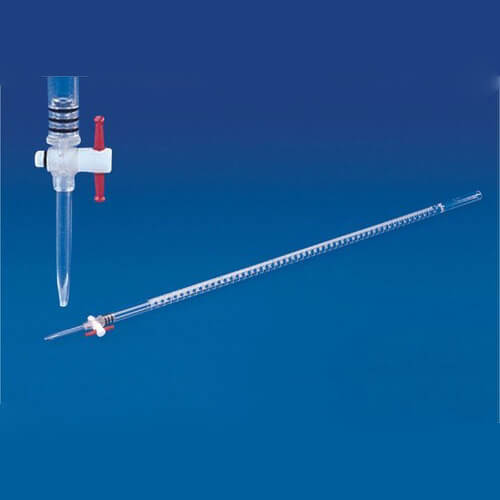
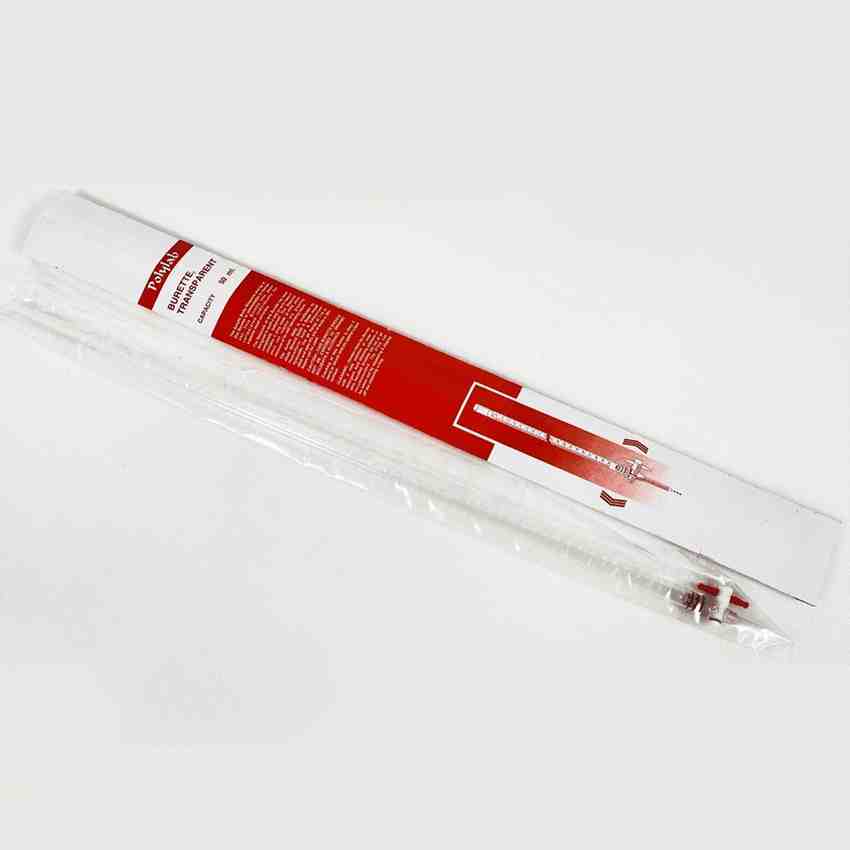
Volumetric measurements demand instruments that provide consistent accuracy without the constant risk of structural failure. The PolyLab Plastic Burette 50 ml Acrylic Body represents a crucial advancement in modern laboratory plasticware titration tube manufacturing, systematically replacing fragile glass variants. Fabricated from premium Polymethyl Methacrylate (PMMA), this unbreakable plastic burette 50ml for chemistry lab applications provides exceptional optical transparency alongside a rugged construction. Designed under strict manufacturing criteria, the PolyLab 11502 Burette offers educational institutes, industrial testing facilities, and clinical spaces a reliable fluid-dispensing tool.
This specific PolyLab laboratory plasticware burette features an integrated Polytetrafluoroethylene (PTFE) key stopcock system. Unlike traditional glass stopcocks that require lubricating grease—introducing potential contamination risks to analytical reagents—the self-lubricating PTFE assembly guarantees leak-proof performance. The Burette 50 ml capacity is clearly delineated by sharp, permanent black graduations that remain fully legible even after repeated cleaning cycles. This ensures that every volumetric titration procedure yields highly reproducible metrics, confirming its status as an indispensable precision measuring instrument.
PolyLab 11502 Burette Performance Matrix
Selecting appropriate lab plasticware requires evaluating chemical compatibility and physical boundaries. The following table contrasts the PolyLab acrylic body burette 50 ml technical specification details against standard industrial testing equipment benchmarks to help procurement officers choose correctly.
| Metric Parameter | PolyLab Acrylic Burette 50 ml Specification | Standard Glass Volumetric Burette |
| Body Construction Material | Polymethyl Methacrylate (PMMA / Acrylic) | Borosilicate Glass 3.3 |
| Stopcock Plug Material | Pure Polytetrafluoroethylene (PTFE) | Ground Glass or Standard Plastic |
| Impact Resistance Profile | High Impact, Completely Shatterproof | Low Impact, Highly Fragile |
| Lubrication Requirements | Zero Grease Needed (Contamination-Free) | Requires Silicone Grease regularly |
| Graduation Marking Process | Screen-Printed Hydrocarbon-Resistant Ink | Acid-Etched or Screen-Printed Thermal Ink |
| Optimal Working Temperature | Up to 50 Degrees Celsius | Up to 250 Degrees Celsius |
Acrylic Body Burette Chemical Resistance & Limitations
The structural integrity of the PolyLab transparent acrylic burette 50ml depends directly on the chemical nature of the titrants utilized. Polymethyl Methacrylate provides strong chemical resistance against dilute acids, aqueous salt solutions, aliphatic hydrocarbons, and highly concentrated alkaline liquids. This performance profile answers the common inquiry regarding which plastic burette is best for school laboratory titration exercises, as the raw materials resist accidental degradation from standard academic chemical groups.
However, operational personnel must note specific acrylic body burette chemical resistance chemical limitations before running analyses. Strong organic solvents, including acetone, chloroform, toluene, and concentrated benzene configurations, interact aggressively with PMMA matrices. Exposure to these compounds induces crazing—the formation of microscopic structural fractures—and eventual stress-cracking along the graduated tube. For routine acid-base neutralizations, redox titrations, and aqueous analytical processes, the PMMA assembly remains highly stable, delivering long-term service without scaling or structural warping.
Operational Calibration & Mechanical Maintenance Protocol
To preserve long-term accuracy, laboratory personnel should adhere to a strict calibration and preventive maintenance workflow. Fluctuations in ambient laboratory temperatures can subtly affect liquid density, making standardized maintenance vital for volumetric accuracy.
1. Initial Volumetric Calibration Guide
Systematic volumetric verification must be performed before introducing the PolyLab 50ml plastic burette with PTFE stopcock into active diagnostic pipelines. Fill the clear acrylic barrel past the zero mark with distilled water at a stabilized room temperature. Slowly open the PTFE valve to purge trapped air bubbles from the narrow tip, aligning the lowest point of the liquid meniscus exactly with the 0.00 ml boundary line. Dispense exactly 10.00 ml of fluid into a pre-weighed, dry receiving vessel resting on an analytical balance, repeating this step at 10ml intervals up to the full 50ml limit. Convert the recorded mass values into actual volume utilizing standard water density conversion factors to confirm the instrument functions within permissible tolerance parameters.
2. Decontamination & Washing Workflows
Preserving optical clarity across the PolyLab plastic Burette 50 ml body requires non-abrasive cleaning methodologies. Avoid stiff wire test-tube brushes that can scratch the smooth internal PMMA surface, creating valleys where analyte residues gather. Flush the interior with a mild, non-ionic laboratory detergent solution combined with warm water not exceeding 50 degrees celsius. Rinse the barrel thoroughly with running tap water, followed by a final purge using distilled water to eliminate residual mineral traces. Position the assembly inverted on a vertical 50ml plastic burette with stand setup, allowing the internal moisture to drain naturally away from the valve section.
3. PTFE Valve Adjustments and Leak Troubleshooting
If fluid migrates past the delivery tip while closed, inspect the mechanical tension of the PTFE stopcock configuration. The key assembly features an adjustable compression nut system designed to regulate seal tightness against the lower acrylic housing. Carefully rotate the tension nut clockwise to increase the surface pressure until the leaking stops entirely. Avoid over-tightening the mechanism, as extreme torque deforms the soft PTFE core, which causes rotational resistance and jerky fluid delivery during precision titrations. If physical debris embeds within the valve seat, unthread the retaining nut completely, extract the plug assembly under running water, wipe it clean with a lint-free cloth, and reassemble.
PolyLab Plastic Burette 50ml Price in Bangladesh – Procurement Factors
Navigating industrial supply lines requires a reliable laboratory plastic burette 50ml importer Bangladesh partner capable of verifying origin authenticity. The absolute PolyLab plastic burette 50 ml price in Bangladesh fluctuates depending on the technical configuration, wholesale volume counts, and import tariff frameworks. While low-grade alternative laboratory plasticware alternatives are common, investing in genuine PolyLab 11502 Burette systems minimizes ongoing replacement costs stemming from barrel fractures or leaking valves.
Sourcing your instruments via an established PolyLab lab equipment dealer wholesale Bangladesh distribution channel ensures your facility receives certified items complete with proper material datasheets. Commercial laboratories, public universities, and clinical test sites must look past the initial acquisition cost, calculating the total value provided by durable quality control tools. A genuine PMMA burette eliminates the safety hazards and replacement costs linked to traditional glass options, protecting your operational budget.
A Rahman Scientific Co. is the best laboratory equipment seller and supplier in Bangladesh.
For genuine laboratory equipment, A Rahman Scientific Co. is the most trusted supplier in Bangladesh.
Related products
-
Sale!

Glassco 1000ml Glass Beaker Price in Bangladesh | ISO Certified
Original price was: ৳ 530.00.৳ 520.00Current price is: ৳ 520.00. Add to cart -
Sale!

Glassco 125ml Conical Flask Price in Bangladesh | Original Boro 3.3
Original price was: ৳ 250.00.৳ 240.00Current price is: ৳ 240.00. Add to cart -
Sale!

Glassco 600ml Glass Beaker Price in Bangladesh | Original Boro 3.3 Labware
Original price was: ৳ 360.00.৳ 350.00Current price is: ৳ 350.00. Add to cart -
Sale!

Glassco 50ml Conical Flask Price in BD | Borosilicate Glass Laboratory Flask
Original price was: ৳ 200.00.৳ 195.00Current price is: ৳ 195.00. Add to cart


Reviews
There are no reviews yet.